

More Than a Tape Measure: How VA Must Rate Your Joint and Back Pain
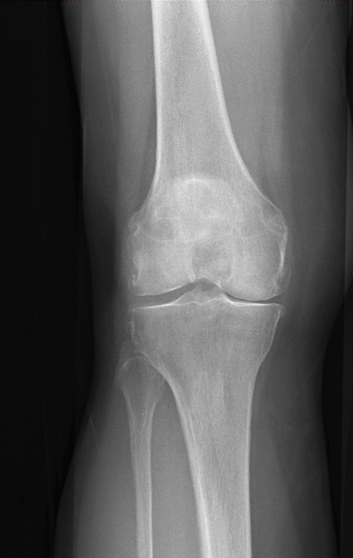
If you’ve filed a VA claim for a knee, back, shoulder, or hip, you may have felt the rating didn’t match the pain you live with. Often the problem is how the exam measured your joint: a single, best-effort range-of-motion reading taken on a good day that ignores what your body does on a bad one.
The rules require more than that. VA regulations direct raters to consider functional loss. That means not just how far a joint bends, but how pain, weakness, fatigue, and lack of coordination limit its use. One regulation, 38 C.F.R. § 4.59, is especially clear. It treats painful motion as a real part of disability. It also says joints that are actually painful, unstable, or malaligned due to healed injury should get at least the minimum compensable rating for that joint. In other words, a joint that moves through a “normal” range but hurts the whole way is not a joint VA can rate as if nothing were wrong.
The courts have reinforced this again and again. In DeLuca v. Brown, 8 Vet. App. 202 (1995), the U.S. Court of Veterans Appeals (now the U.S. Court of Appeals for Veterans Claims) held that VA must account for additional loss during flare-ups and with repeated use, not just at rest. Correia v. McDonald, 28 Vet. App. 158 (2016), requires joint testing, wherever possible, in active and passive motion, and in weight-bearing and non-weight-bearing positions, so the exam captures a complete picture. Sharp v. Shulkin, 29 Vet. App. 26 (2017), requires the examiner to ask about flare-ups and estimate how much function a veteran loses during one, even if the veteran isn’t flaring during the appointment. An examiner who can’t give an estimate has to explain why, based on all the information available. And Saunders v. Wilkie, 886 F.3d 1356 (Fed. Cir. 2018), held that pain itself, when it causes functional impairment, can be a disability. And if you take medication for the joint, VA must discount the relief it provides when the rating code does not mention medication. Ingram v. Collins, 38 Vet. App. 130 (2025).
There is a limit worth knowing. In Mitchell v. Shinseki, 25 Vet. App. 32 (2011), the court held that pain alone is not the same as functional loss. Pain counts when it limits the normal working movements of the body, such as strength, speed, coordination, or endurance. That is why it matters to describe exactly what you can’t do when your joint hurts.
Why does this matter? Musculoskeletal claims are among the most common, and small exam errors can cost a rating level. An examination that skips flare-ups, or measures the joint only one way, can leave a veteran several rating points (and a meaningful amount of monthly compensation) short of what the evidence supports.
If your joint or back rating feels too low, the exam behind it may not have followed these rules. We help veterans challenge inadequate examinations and pursue the functional-loss evidence that VA law requires.
Sources
Talk with Veteran Claims Lawyer
We're a veteran-owned firm that helps veterans with VA disability claims and appeals. You can reach us through our contact page.