
Why We Oppose the "Take Care of America's Veterans Act" and Why Future Veterans Should Too
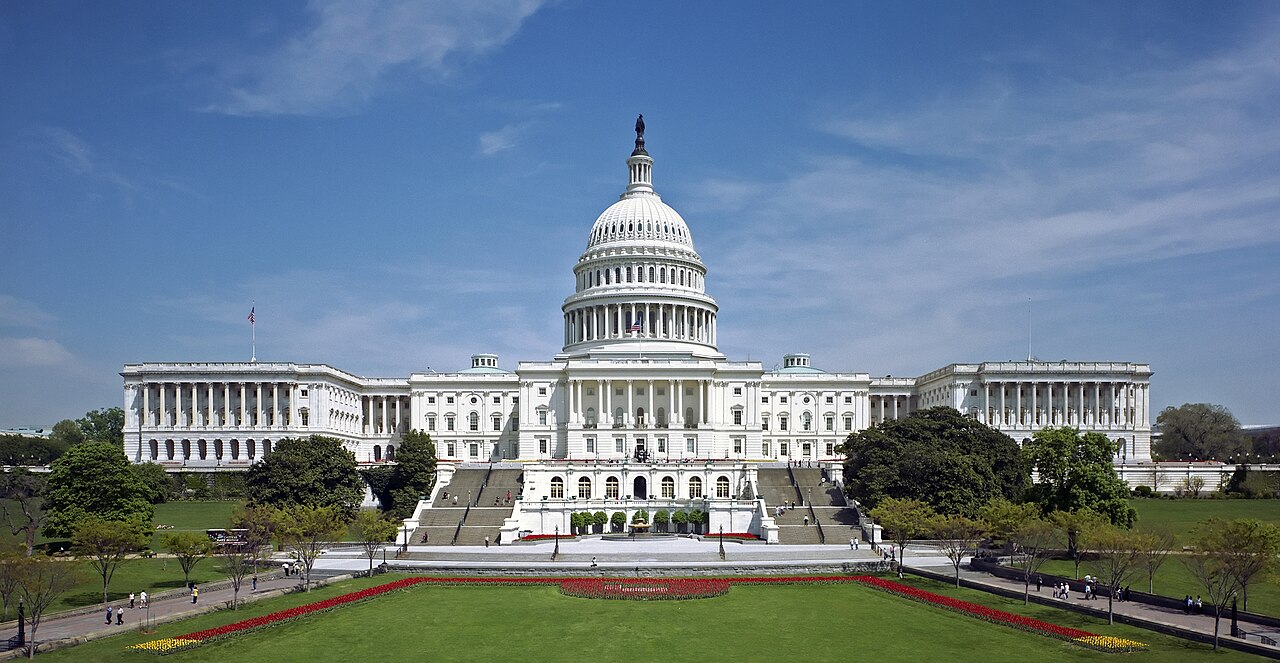
Congress is weighing one of the largest veterans’ packages in years. We oppose it in its current form. We don’t say that lightly, because parts of this bill are genuinely good. But a good goal pursued the wrong way is still the wrong way.
The Take Care of America’s Veterans Act is a package of more than 100 sections covering compensation, education, health care, and more. No official cost estimate has been published. Some of what it contains is worthy. It includes a modified version of the Major Richard Star Act, which would let many combat-injured retirees receive more of both their retirement pay and their disability compensation. It includes the Love Lives On Act to expand benefits for surviving spouses, along with more caregiver support. Standing alone, several of these provisions would earn our support.
Here is the problem. To help pay for those benefits, the bill would reduce disability ratings for sleep apnea and for tinnitus, the most common service-connected disability in the VA system. In the version the House took up, the cuts would apply to claims filed on or after October 1, 2026. Veterans who already hold those ratings would be protected. But anyone who files after that date would receive less for the same conditions. That includes veterans who served decades ago but haven’t filed yet, and everyone who serves in the future. In effect, the bill asks the next wave of disabled veterans to foot the bill for this one.
That is a line we don’t believe should be crossed. A disability rating is not a discretionary perk to be traded away in a budget negotiation. It is compensation for an injury incurred in service to the country. Once “cut the next generation’s ratings” becomes an accepted way to pay for veterans’ programs, little stops it from happening again. The obligation this country owes to those it sends into harm’s way should not shrink based on the date a claim happens to be filed.
The bill has divided the veterans’ community. The Disabled American Veterans, Veterans of Foreign Wars, Iraq and Afghanistan Veterans of America, and Paralyzed Veterans of America have each said they oppose the funding mechanism. Others, including the American Legion and Wounded Warrior Project, have said they support moving the package forward because it expands benefits overall and protects current beneficiaries. That is a legitimate debate. On July 16, the House postponed a final vote after a motion to send the bill back to committee failed by a single vote. We simply come down on the side that says: find another way to pay for it.
Veterans deserve every one of the good reforms in this bill. They also deserve a Congress that funds those reforms without quietly diminishing what the next wounded service member will be owed. We will keep watching this bill and standing up for the veterans who haven’t yet raised their right hand.
Sources
- Take Care of America's Veterans Act, H.R. 9237, 119th Cong. (2026) (listing bill actions, including the July 16, 2026, postponement)
- Take Care of America's Veterans Act, H.R. 9237, 119th Cong. (as introduced, June 10, 2026)
- H.R. Rep. No. 119-749 (2026) (reporting H.R. Res. 1423, which deems the Part B amendment to H.R. 9237 adopted)
- Veterans Benefits Admin., U.S. Dep't of Veterans Affs., Annual Benefits Report, Fiscal Year 2025: Compensation (reporting the most prevalent service-connected disabilities)
- 172 Cong. Rec. H4548–613 (daily ed. July 16, 2026) (debating the Take Care of America's Veterans Act and printing veterans' organizations' letters)
- Press Release, Paralyzed Veterans of Am., Paralyzed Veterans of America Issues Statement in Response to the Take Care of America's Veterans Act (June 16, 2026)
Talk with Veteran Claims Lawyer
We're a veteran-owned firm that helps veterans with VA disability claims and appeals. You can reach us through our contact page.