

Gulf War Illness and the Exam That Can Make or Break the Claim
Gulf War veterans live with a frustrating reality: symptoms that are very real but hard to pin to a specific diagnosis, such as fatigue, joint and muscle pain, headaches, stomach trouble, or memory problems. VA law has a special pathway built for exactly that situation. But whether a veteran actually benefits from it often comes down to one thing: how the medical examination is developed.
Here’s the special rule. Under 38 C.F.R. § 3.317, a Persian Gulf veteran can be compensated for an “undiagnosed illness” or a “medically unexplained chronic multisymptom illness” (MUCMI), a category that includes conditions like chronic fatigue syndrome, fibromyalgia, and certain functional gastrointestinal disorders. An illness is left out only if both its cause and how it works in the body are partly understood, as with diabetes or multiple sclerosis. If either one is still unknown, it can count. Unlike an ordinary claim, the veteran doesn’t have to prove a precise cause. Signs or symptoms that can be observed or checked can be enough to establish service connection if they have lasted six months or more. Symptoms that come and go over a six-month period can also meet that test. Since the PACT Act, the statute lets those symptoms appear at any time and to any degree.
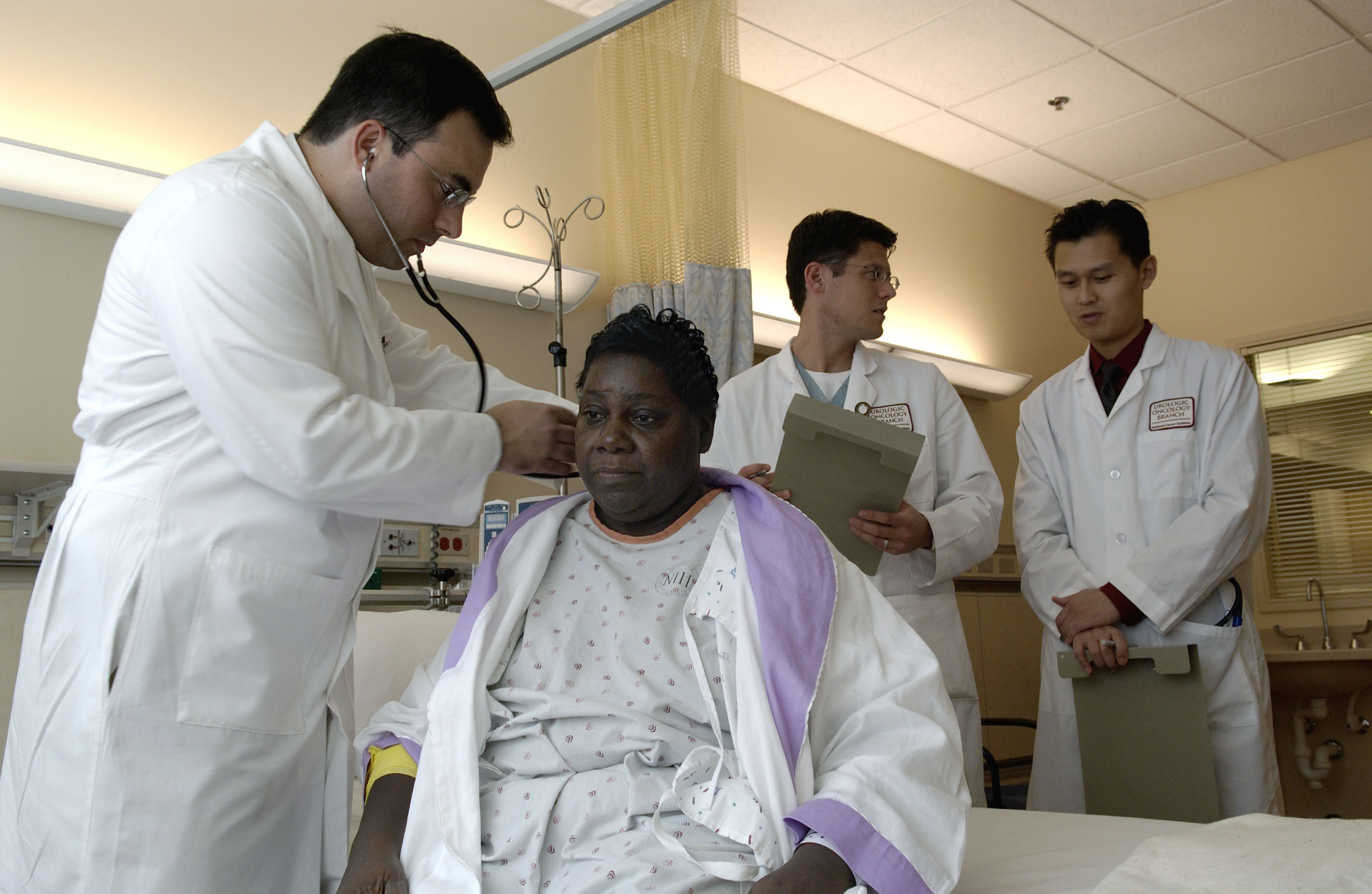
The catch is the exam. If an examiner attributes the veteran’s symptoms to a named, fully explainable diagnosis, the veteran can be pushed out of the undiagnosed-illness pathway, sometimes without the exam ever addressing whether the symptoms fit a MUCMI. If the examiner looks at one complaint in isolation instead of the whole cluster of symptoms, the picture stays incomplete. A careful exam looks at the whole pattern of symptoms and asks whether it fits a MUCMI before ruling that pathway out. A poorly developed exam can sink an otherwise valid claim before it’s fairly considered.
This matters more than ever right now. VA’s regulation still lists December 31, 2026 as the date by which symptoms must reach 10%. But the PACT Act changed the statute in 2022 so these symptoms can appear at any time and to any degree, and VA proposed in 2024 to drop the date from the rule. With those changes, some Gulf War veterans may want to take another look at claims VA denied years ago. A claim that once failed on a weak exam may look very different when the exam is developed correctly.
If you served in the Gulf War and your unexplained symptoms have been brushed aside, the problem may be the exam, not your eligibility. We help Gulf War veterans pursue undiagnosed-illness and MUCMI claims and push for the thorough examinations the rules require.
Sources
- 38 C.F.R. § 3.317
- 38 U.S.C. § 1117
- VA Adjudication Regulations for Disability or Death Benefit Claims Based on Toxic Exposure, 89 Fed. Reg. 79815 (proposed Oct. 1, 2024) (to be codified at 38 C.F.R. pt. 3)
- Sergeant First Class Heath Robinson Honoring our Promise to Address Comprehensive Toxics Act of 2022, Pub. L. No. 117-168, § 405, 136 Stat. 1759, 1783
- Stewart v. Wilkie, 30 Vet. App. 383 (2018)
Talk with Veteran Claims Lawyer
We're a veteran-owned firm that helps veterans with VA disability claims and appeals. You can reach us through our contact page.